
Introduction
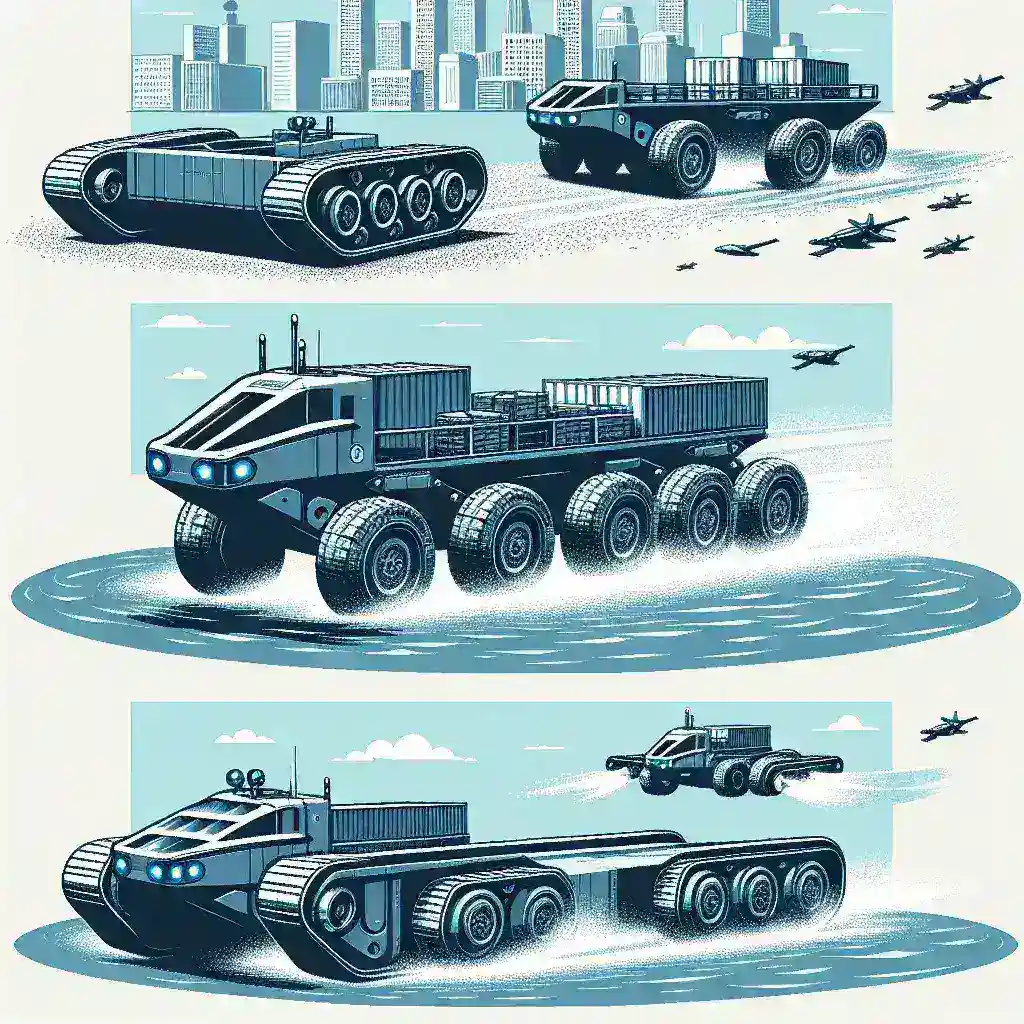
In recent years, the development of amphibious robots has gained significant traction, particularly in the field of cargo transport. These robots, capable of traversing both land and water, offer unique advantages for logistics and transportation. This article delves into the functionalities, applications, benefits, and challenges of amphibious robots with cargo transport capabilities.
What are Amphibious Robots?
Amphibious robots are robotic systems designed to operate in diverse environments, including terrestrial and aquatic settings. These versatile machines are engineered to navigate efficiently over various terrains such as mud, sand, water, and rough surfaces. Their design often incorporates waterproofing, buoyancy control, and advanced navigation systems.
Historical Context
The concept of amphibious vehicles dates back to military applications during World War II. The need for vehicles that could transport troops and supplies across both land and water led to the innovation of amphibious designs. Over the decades, technological advancements have shifted these designs from military to civilian applications, paving the way for modern amphibious robots.
Technological Features
- Navigation Systems: Most amphibious robots are equipped with GPS and advanced sensors to ensure accurate navigation in challenging environments.
- Payload Capacity: Depending on their design and size, these robots can carry substantial cargo loads.
- Material Composition: Lightweight, durable materials are often used to construct amphibious robots to enhance their mobility and efficiency.
- Power Sources: Many models utilize electric batteries, while some incorporate hybrid systems for extended operational range.
Applications of Amphibious Robots in Cargo Transport
Amphibious robots are finding increasing utility across various sectors:
1. Disaster Relief
In the aftermath of natural disasters, amphibious robots can transport essential supplies over flooded areas where traditional vehicles cannot operate. Their ability to navigate both water and land makes them invaluable in emergency response scenarios.
2. Agricultural Support
In agriculture, these robots serve functions such as transporting equipment and supplies across fields and water bodies, thus enhancing productivity and efficiency.
3. Environmental Monitoring
Amphibious robots can carry sensors and instruments for monitoring water quality or wildlife in aquatic environments, facilitating scientific research and data collection.
4. Military Logistics
Military applications still leverage amphibious robots for logistical support, including the transport of supplies in challenging terrains.
Pros and Cons of Amphibious Robots
Pros
- Versatility: They can operate in multiple environments, making them adaptable to various situations.
- Increased Safety: By automating the transport of goods in hazardous areas, they reduce the risk to human operators.
- Efficiency: Faster transport across diverse terrains leads to improved logistical operations.
Cons
- High Initial Costs: The development and production of amphibious robots can be costly, posing a barrier to widespread adoption.
- Technical Challenges: Issues such as maintenance and repairs in aquatic environments can complicate operations.
- Regulatory Hurdles: Navigating legal frameworks for operation in public waters can be challenging.
The Future of Amphibious Robots in Cargo Transport
Looking ahead, the potential for amphibious robots in cargo transport is promising. Innovations in artificial intelligence, machine learning, and robotics are expected to enhance their capabilities further. As the world grapples with increasing climate change challenges, the ability to quickly deliver aid and resources across varied landscapes will be increasingly critical.
Expert Predictions
Experts predict that by 2030, we will see a significant increase in the deployment of amphibious robots in sectors such as disaster management, agriculture, and environmental monitoring. Their ability to operate autonomously and efficiently will transform how we handle logistics in complex environments.
Conclusion
Amphibious robots with cargo transport functions represent a revolutionary advancement in logistics and transportation technology. Their unique capabilities offer numerous benefits, particularly in challenging situations that require agility and efficiency. As technology continues to evolve, we can expect these robots to play an increasingly vital role in various industries, paving the way for innovative solutions to contemporary challenges.